How Is Thyroid Surgery Performed? A Guide to the Procedure and Choosing a Surgeon
A thyroid nodule, an enlarged thyroid gland, or abnormal thyroid function does not automatically mean surgery is necessary. Many thyroid conditions can be managed with medication, monitoring, or other treatments. In selected cases, however, surgery offers an appropriate way to treat the disease or establish a definitive diagnosis.
Understanding why an operation is recommended—and how much thyroid tissue needs to be removed—can help patients make an informed decision.
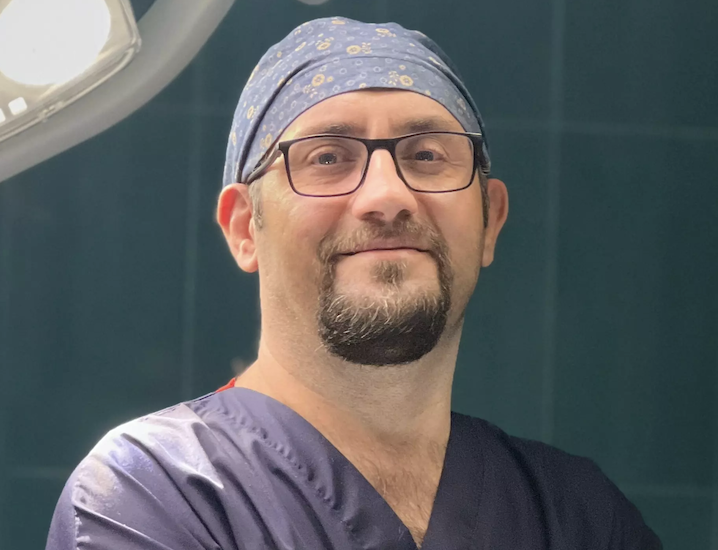
Dr. Keyvan Aghazadeh is an ear, nose, and throat specialist with fellowship training in head and neck surgery. According to his official website, he ranked first in Iran’s national specialty board examination in 2011 and holds the position of associate professor at Tehran University of Medical Sciences. His background includes head and neck surgery, specialist education, and international research publications.
What Is Thyroid Surgery?
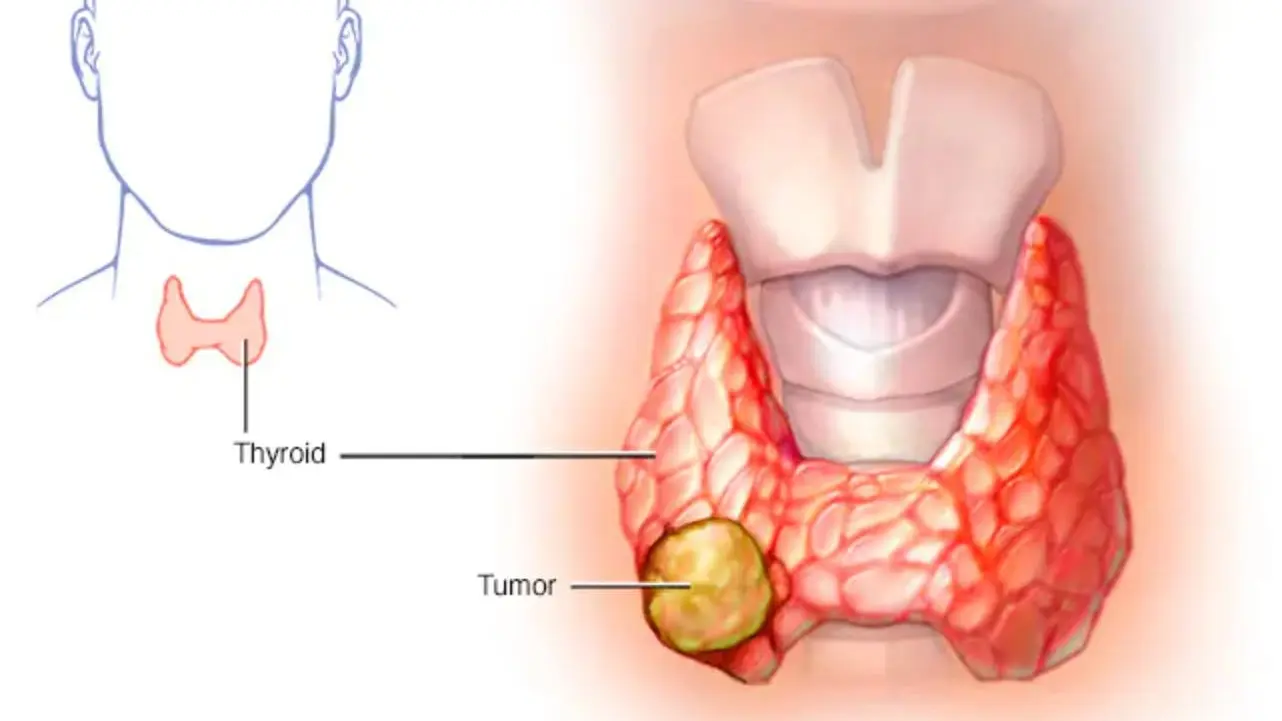
Thyroid surgery, also called thyroidectomy, involves removing part or all of the thyroid gland. The extent of the operation depends on the condition being treated and the findings from the patient’s assessment.
According to Dr. Keyvan Aghazadeh’s official website, https://dr-aghazadeh.com, the article explaining thyroid surgery (جراحی تیروئید) states:
«جراحی تیروئید یا تیروئیدکتومی نوعی جراحی است که در طی آن
بخشی یا تمام غده تیروئید از بدن برداشته میشود.»
English translation:
“Thyroid surgery, or thyroidectomy, is an operation in which part or all of the thyroid gland is removed.”
The thyroid produces hormones that support metabolism and other essential functions. Removing thyroid tissue can affect hormone production, so postoperative monitoring and, in some patients, hormone replacement are important parts of care.
When Is Thyroid Surgery Recommended?
The decision to operate follows an assessment of symptoms, ultrasound findings, thyroid function tests, and biopsy results when available.
The American Thyroid Association identifies thyroid cancer, suspicious nodules, an enlarged gland causing pressure symptoms, and certain forms of hyperthyroidism as conditions that may be managed surgically.
Confirmed or Suspected Thyroid Cancer
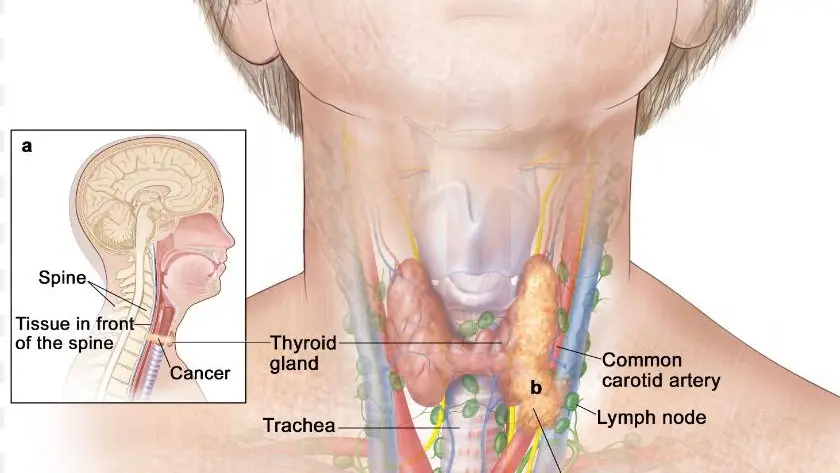
Surgery may be recommended when a biopsy confirms cancer or produces findings suspicious for malignancy. In some cases, removing a thyroid lobe allows the tissue to be examined more fully and helps establish the diagnosis.
The recommended operation depends on the suspected cancer type, tumor size, and evidence of spread. Not every thyroid cancer requires removal of the entire gland.
An Enlarged Thyroid Causing Pressure
A goiter or large nodule may press on nearby structures and cause difficulty swallowing, breathing discomfort, or persistent neck pressure.
Surgery may be considered when these symptoms are significant. The decision depends on the clinical findings rather than the size of the thyroid alone.
Selected Cases of Hyperthyroidism
Surgery is also an option for some patients with an overactive thyroid, including certain cases of Graves’ disease or hormone-producing nodules.
Medication, radioactive iodine, and surgery have different benefits and limitations. The choice depends on the underlying condition, previous treatment, and the patient’s circumstances.
Does Everyone Need a Total Thyroidectomy?
No. In a thyroid lobectomy, one of the gland’s two lobes is removed. The remaining lobe may produce enough hormone, although blood tests are needed to assess its function after surgery.
A total thyroidectomy removes the entire gland and requires lifelong thyroid hormone replacement.
Neck lymph node surgery may be added in selected cancer cases. It is not a routine requirement for every thyroid operation. The surgical plan should match the individual diagnosis and extent of disease.
How Is Thyroid Surgery Performed?
Thyroid surgery is usually performed under general anesthesia. Before the operation, the surgeon reviews the diagnosis, ultrasound findings, and any biopsy results to determine how much tissue should be removed.
The planned procedure and its possible risks should be discussed with the patient beforehand. Occasionally, findings during surgery may affect the operation, within the scope of the agreed treatment plan.
Anesthesia and the Neck Incision
Once the patient is asleep, the surgical team positions the neck to provide access to the thyroid. In a conventional thyroidectomy, the surgeon makes a horizontal incision in the lower front of the neck, usually along a natural skin crease.
The tissues overlying the thyroid are carefully separated to expose the gland. The incision’s length depends on the gland’s size and the extent of the procedure.
Protecting the Voice Nerves and Parathyroid Glands
Important nerves lie close to the thyroid, including those involved in vocal cord movement and voice control. The surgeon carefully identifies and protects these structures during the operation.
The small parathyroid glands, usually located behind the thyroid, help regulate blood calcium. Preserving these glands and their blood supply is another important part of surgery.
Careful technique reduces risk, but it cannot eliminate every possible complication.
Removing the Planned Thyroid Tissue
Depending on the treatment plan, the surgeon removes one thyroid lobe or the entire gland. Selected patients with thyroid cancer may also require removal of neck lymph nodes.
The removed tissue is sent to a pathology laboratory. Examination of this tissue helps establish the final diagnosis and determine whether further treatment is needed.
After checking for bleeding, the surgeon closes the incision. The patient then moves to the recovery area for monitoring as the anesthesia wears off.
What Are the Possible Complications of Thyroid Surgery?
The risks vary with the extent of surgery, the underlying disease, and the complexity of the operation. Patients should discuss their individual risks with the surgeon.
Hoarseness and Voice Changes
Temporary hoarseness may occur because of irritation from the breathing tube or changes affecting the tissues around the voice box. Injury to a laryngeal nerve can also alter the voice and, in some cases, affect swallowing or breathing.
Some voice changes improve during recovery, while others require further assessment or treatment. Persistent or worsening hoarseness should be reported.
Low Blood Calcium
After total thyroidectomy, temporary or permanent impairment of the parathyroid glands can lower blood calcium.
Possible symptoms include tingling around the mouth or in the fingers and muscle cramps. The treatment team may check calcium levels and prescribe calcium or vitamin D when needed. These medicines should be taken according to the prescribed plan.
Bleeding, Infection, and Wound Problems
Some discomfort, mild swelling, and a feeling of tightness around the incision can occur during early recovery. Infection and significant bleeding are less common but require medical attention.
Rapidly increasing neck swelling or difficulty breathing after surgery is an emergency. Seek immediate care rather than waiting for a scheduled follow-up.
Other symptoms that should be reported promptly include:
- Bleeding from the incision.
- Fever, increasing redness, or wound discharge.
- New or worsening difficulty swallowing.
- Severe or persistent voice changes.
- Tingling around the mouth or fingers, or muscle cramps.
Recognizing these changes and following the surgical team’s instructions are important parts of postoperative care.
Recovery After Thyroid Surgery
Recovery varies according to the extent of surgery, the patient’s health, and whether additional treatment is needed. The surgical team’s instructions should guide wound care, medication use, physical activity, and follow-up appointments.
Mild neck discomfort, tightness around the incision, and a sore throat may occur during the first few days. Symptoms should generally improve; worsening pain or swelling should be reported.
Caring for the Incision
Follow the surgeon’s instructions about washing, dressings, and keeping the wound dry. Avoid scratching the incision or applying creams and ointments unless the surgical team recommends them.
The scar usually changes as it heals and may become less noticeable over time. Its final appearance varies between individuals, so a completely invisible scar cannot be guaranteed.
Returning to Daily Activities
Gentle walking can usually begin early in recovery. Increase activity gradually, and postpone heavy lifting or strenuous exercise until the surgeon confirms that it is appropriate.
The timing of a return to work depends on the operation, recovery progress, and the physical demands of the job. Someone with a desk job may be ready sooner than a person whose work involves lifting or sustained physical effort.
Eating and Taking Medicines
If swallowing feels uncomfortable after anesthesia, soft foods and fluids may be easier initially. Most patients can gradually return to their usual diet as tolerated, unless their treatment team advises otherwise.
Take pain relief, calcium supplements, and other prescribed medicines as directed. Do not change the dose or stop treatment without discussing it with the treating clinician.
Will You Need Thyroid Hormone Replacement?
After total thyroidectomy, the body can no longer produce thyroid hormones, so lifelong replacement with levothyroxine is necessary.
After a lobectomy, the remaining thyroid tissue may produce enough hormone. However, some patients still need replacement treatment. Follow-up blood tests help determine whether medication is required and whether its dose is appropriate.
For selected patients treated for thyroid cancer, the prescribed dose may also aim to suppress thyroid-stimulating hormone, or TSH. The target is individualized according to the cancer findings and the patient’s health.
Why Follow-Up Matters
Follow-up appointments allow the team to assess wound healing, review voice or swallowing concerns, and check thyroid function. Calcium testing may also be needed, particularly after total thyroidectomy.
The final pathology report is another important part of this review. It can clarify the diagnosis and help determine whether further surgery, radioactive iodine, or other treatment should be considered.
How Should You Choose a Thyroid Surgeon?
Choosing a surgeon requires more than relying on advertising or claims of being “the best.” Useful criteria include:
- Relevant specialist training and experience in thyroid surgery.
- Regular experience with procedures similar to the one recommended.
- Thorough review of imaging, biopsy findings, and thyroid function.
- Clear explanations of the proposed operation, alternatives, and risks.
- A defined plan for postoperative care and follow-up.
- Access to endocrinology, pathology, and other specialist support when needed.
Patients can also ask how frequently the surgeon performs thyroid operations and how complications are monitored and managed.
Dr. Keyvan Aghazadeh’s ENT training and fellowship in head and neck surgery are relevant to thyroid and neck procedures. An individual consultation should establish whether surgery is appropriate and which operation best fits the diagnosis.
A well-informed decision begins with understanding why surgery is recommended, what it involves, and what care will be needed afterward. Not every thyroid condition requires an operation, and the treatment plan should reflect each patient’s findings and preferences.


 icons at the top
right corner of the subsection.